Finishing orthodontic treatment feels like crossing a finish line. The brackets come off, the aligners go away and you finally see the smile you’ve worked for. But here’s the part many people don’t realize: keeping that smile straight depends almost entirely on how well you wear your retainer. So how long do you need to wear a retainer after braces or aligners? For most people, the honest answer is nightly, for life. At Rice Orthodontics, Dr. Rice builds a personalized retention plan around your bite, your treatment and your long-term goals.
What Is a Retainer and Why Do You Need One?
A retainer is a custom appliance worn after braces or clear aligners to hold your teeth in their new, corrected position. It prevents natural shifting while the bone and gum tissue around your teeth stabilize. Without it, teeth tend to drift back toward where they started, undoing months of hard work.
This happens because teeth aren’t locked into your jaw like fence posts. They sit in soft tissue and bone that remodels slowly. After braces or clear aligners, that tissue needs several months to firm up around the new tooth positions. Your retainer acts as the guardrail during that settling period and beyond.
Both traditional braces patients and clear aligner patients need retention. The straightening method doesn’t change the biology. Your teeth still want to move. At Rice Orthodontics, every patient leaves with a retention plan designed to protect the time, effort and investment you put into your smile transformation. Dr. Rice and our team walk you through exactly what to wear, when to wear it and how to care for it.
How Long Do You Need to Wear a Retainer After Braces or Aligners? (Full Timeline)
Here’s the direct answer: most patients wear a retainer full-time for the first 3 to 6 months after treatment, then transition to nightly wear long-term, often for life. The schedule may vary slightly based on your bite, your age and how much your teeth moved during treatment.
Below is a typical retention timeline. Dr. Rice adjusts it to fit your personalized plan.
| Phase | Timeframe | Wear Schedule | What’s Happening |
|---|---|---|---|
| Phase 1 | First 3-6 months | 22 hours/day | Teeth are most likely to shift; bone is still remodeling |
| Phase 2 | Through month 12 | Nights only (per Dr. Rice’s guidance) | Tissues stabilizing; nightly wear maintains position |
| Phase 3 | Year 1 and beyond | Nightly, indefinitely | Prevents the slow, lifelong shifting all adults experience |
Phase 1 (first 3-6 months): Remove the retainer only to eat, brush and floss. This is when relapse risk is highest.
Phase 2 (through month 12): Once Dr. Rice confirms your bite is stable, you’ll transition to nighttime wear. Most patients find this easy to build into their bedtime routine.
Phase 3 (year one and beyond): Nightly wear becomes a lifelong habit. Teeth shift naturally with age, even in people who never had braces. A retainer keeps yours exactly where Dr. Rice placed them.
The timeline is similar whether you had metal braces, ceramic braces, lingual braces or clear aligners. Personal factors like severe original crowding, closed gaps or jaw growth in younger patients may call for a longer full-time phase.
Benefits of Consistent Retainer Wear
Wearing your retainer as directed protects more than just straight teeth. It safeguards the full outcome of your smile transformation and your long-term oral health.
- Maintains your straight smile. The most obvious benefit, and the most important. Consistent wear keeps every tooth exactly where it belongs.
- Prevents costly retreatment. Relapse can mean going back into braces or aligners to redo work you’ve already completed. Nightly retainer wear is the simplest way to avoid that.
- Supports proper bite alignment. Your retainer helps your upper and lower teeth continue meeting correctly, which protects jaw function and chewing comfort.
- Reduces crowding in your front teeth. Lower front teeth are especially prone to shifting with age. A retainer keeps them beautifully aligned.
- Protects long-term oral health. Straight teeth are easier to brush and floss. Keeping them straight means fewer trapped food particles, less plaque buildup and healthier gums.
- Becomes effortless over time. For most people, after a few weeks, popping in a retainer at night feels as automatic as brushing. It’s one small habit that protects years of work.
Consistent retainer wear is the single most important thing you can do to preserve your beautiful, forever smile.
Types of Retainers: Hawley vs. Clear vs. Permanent
Not all retainers look or feel the same. There are three main types, and Dr. Rice will recommend the right option (or combination) based on your bite, lifestyle and preferences.
Hawley Retainer
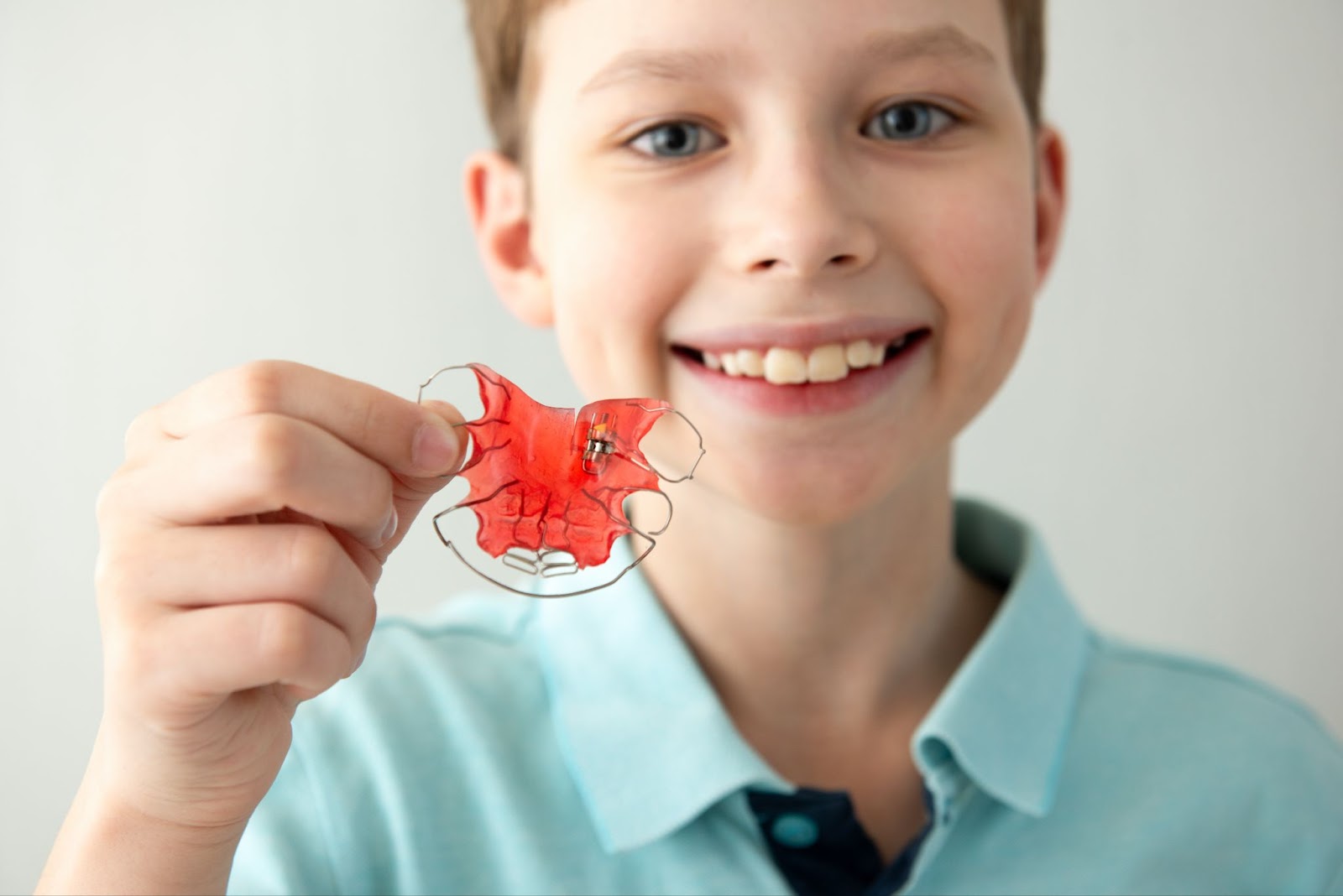
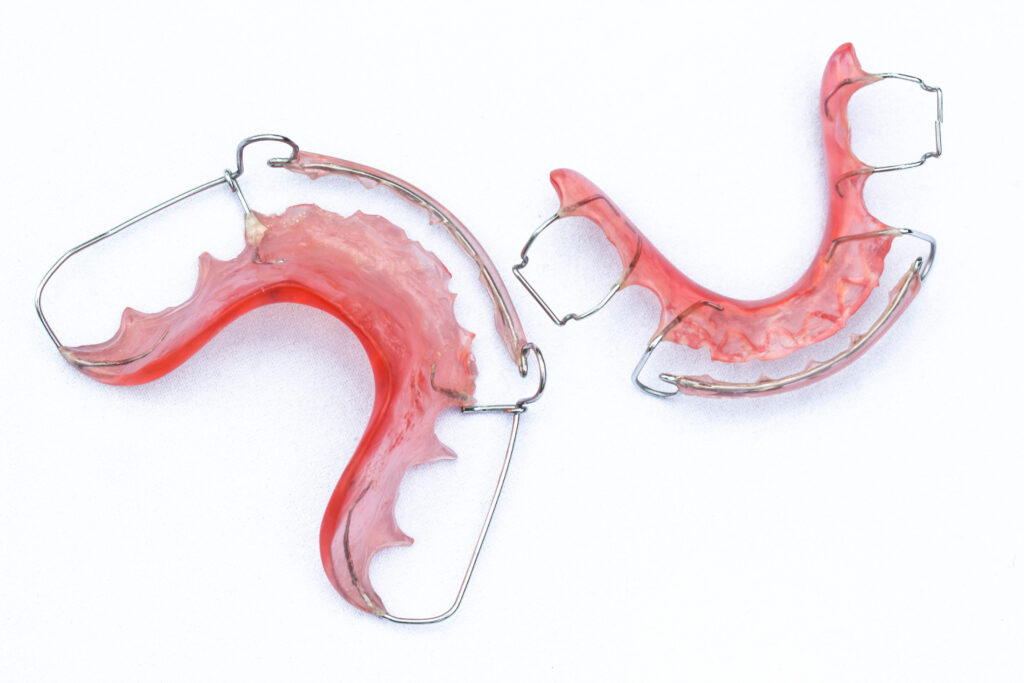
The classic design: a sturdy acrylic base that sits against the roof of your mouth, with a thin metal wire that wraps across the front of your teeth. Hawley retainers are durable, adjustable and long-lasting, though the wire is visible when you smile.
Clear (Essix) Retainer
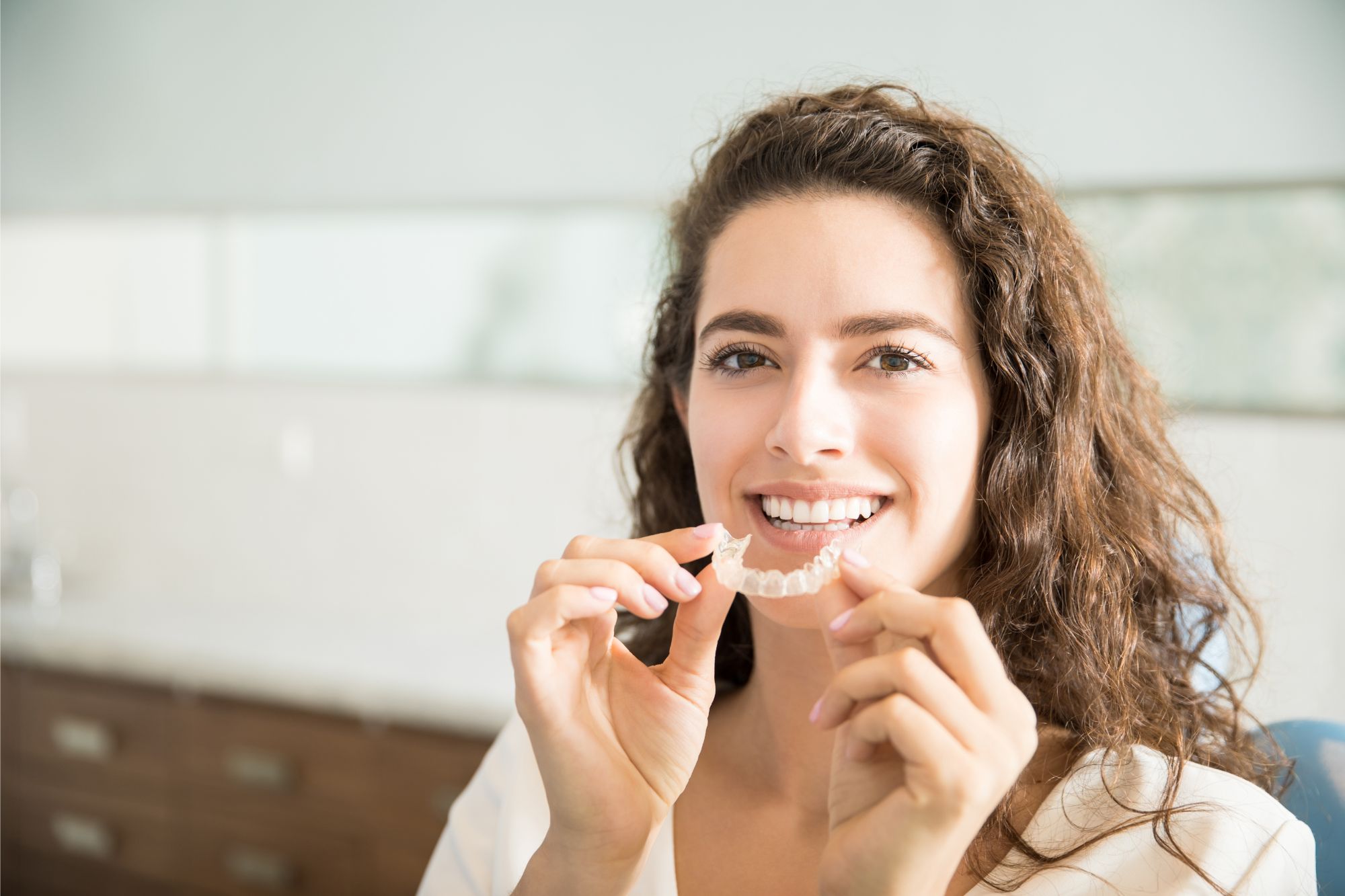
A transparent plastic tray that snaps over your teeth, similar in look to a clear aligner. Essix retainers are nearly invisible and comfortable, which makes them popular with adults and teens. They typically last 1-3 years with proper care.
Permanent (Bonded) Retainer
A thin wire bonded to the back of your front teeth, usually on the lower arch. You don’t have to remember to wear it, because it’s always there. It’s completely hidden behind your teeth and requires no daily effort beyond careful flossing.
Comparison at a Glance
| Feature | Hawley | Clear (Essix) | Permanent (Bonded) |
|---|---|---|---|
| Visibility | Visible wire | Nearly invisible | Hidden behind teeth |
| Lifespan | 5-10+ years | 1-3 years | Years, with occasional repairs |
| Comfort | Firmer feel | Snug, slim fit | No sensation once bonded |
| Cleaning | Easy to brush | Simple rinse and brush | Requires careful flossing |
| Maintenance | Adjustable | Replace when worn | May need rebonding |
Many patients do well with a combination approach: a permanent wire on the lower teeth paired with a nightly removable upper retainer. Dr. Rice will help you choose what fits your life.
What Affects Retainer Replacement
Your first set of retainers is typically included in your treatment plan at Rice Orthodontics. Over time, a removable retainer may need replacing, and a permanent retainer may occasionally need repair or rebonding.
A few factors affect how often you’ll need a new one:
- Type of retainer. Clear retainers generally last 1-3 years and need periodic replacement. Hawley retainers last much longer with care. Permanent retainers can last many years but may need professional repair if a bond loosens.
- How you care for it. Rinsing after wear, brushing gently and storing it in a protective case extend its life.
- Loss or damage. Leaving a retainer wrapped in a napkin at a restaurant is one of the most common ways patients lose them. Pets also love to chew them.
If you need a replacement, contact Rice Orthodontics and our team will walk you through your options. Protecting your smile is far more affordable than retreatment.
Who Needs Long-Term or Lifetime Retainer Wear?
Honestly? Nearly everyone. Teeth shift throughout life, even in people who never had orthodontic treatment. That said, some patients have a higher relapse risk and benefit even more from indefinite nightly wear:
- Patients with severe original crowding. The more your teeth moved during treatment, the more they want to drift back.
- Patients who had rotated teeth corrected. Rotations are among the most relapse-prone corrections.
- Patients who had gaps closed. Space between teeth tends to reopen without retention.
- Younger patients with growing jaws. Teen jaws continue developing, which can nudge teeth out of alignment.
- Adults with periodontal considerations. Weaker bone support often calls for a permanent retainer for extra stability.
- Patients who grind their teeth. A dual-purpose retainer can protect the smile and the enamel at the same time.
Dr. Rice evaluates each of these factors when designing your retention plan, so your approach is personalized just for you.
Frequently Asked Questions About Retainer Wear
How long should you use retainers after braces?
Plan on full-time wear for the first 3 to 6 months, followed by nightly wear indefinitely. Teeth shift throughout life, so nightly retention is the best way to keep your smile looking exactly the way it did the day your braces came off. Dr. Rice will give you a specific schedule based on your treatment.
Can I go 2 hours without my retainer?
Short breaks of a couple of hours are generally fine, especially when you’re eating or playing sports. Problems start when hours stretch into days. Skipping nights regularly can cause teeth to shift just enough that your retainer no longer fits comfortably.
How long does it take for teeth to settle after clear aligners?
Typically several months. Clear aligner patients need the same full-time retainer wear schedule as braces patients, around 3 to 6 months, before transitioning to nighttime-only wear. The bone and tissue around your teeth need time to firm up around the new positions.
What happens if my retainer feels tight?
A tight retainer usually means your teeth have started to shift. Wear it consistently and it may settle back into a comfortable fit within a few days. If the tightness continues or the retainer won’t seat fully, contact Rice Orthodontics so Dr. Rice can take a look before more movement happens.
Do I have to wear a retainer forever?
Nightly wear is strongly recommended indefinitely. Teeth naturally shift with age, and a retainer is the only reliable way to prevent that slow drift. The good news: nighttime-only wear becomes an automatic habit, like brushing before bed.
How do I clean my retainer?
Brush it gently with a soft toothbrush and cool water after each use. Avoid hot water (it can warp plastic retainers) and harsh toothpaste (it can scratch the surface). For a deeper clean, soak it in a retainer cleaning solution as directed. Ask Dr. Rice for specific care tips at your next visit.
Protect Your Smile with Rice Orthodontics
Your retainer is the key to keeping the smile you’ve worked so hard for. Whether you’re finishing treatment, replacing a lost retainer or wondering if your current one still fits, Dr. Jason Rice and our team are here to help. We welcome you and your family at both of our convenient locations:
- Jacksonville Office: 8708 Perimeter Park Blvd., Ste. #2, Jacksonville, FL 32216. Call (904) 646-7000
- Nocatee Office: 203 Fort Wade Rd., Ste. #120, Ponte Vedra Beach, FL 32081. Call (904) 646-7000
Ready to talk about retention or start your smile journey? Schedule your free consultation with Rice Orthodontics today. Beautiful, forever smiles are what we do best.