

Finding the right orthodontist in Jacksonville, FL can feel overwhelming when you’re ready to get the smile you’ve dreamed of. Whether you’re considering treatment for yourself, your teen, or your child, understanding what orthodontists do and how to evaluate your options makes the decision easier. This guide walks you and your family through everything you need to know about orthodontic care, from that first free consultation to beautiful, forever smiles.
What Does an Orthodontist Actually Do?
An orthodontist is a dental specialist who focuses exclusively on straightening teeth, aligning bites, and correcting jaw positioning. After completing dental school, orthodontists pursue an additional two to three years of specialized residency training. That training covers the biomechanics of tooth movement, facial growth patterns, and advanced treatment techniques that general dentists don’t receive.
Here’s a simple way to think about it. A general dentist handles fillings, cleanings, and overall oral health. An orthodontist dedicates their entire practice to creating properly aligned smiles. Board-certified orthodontists have passed rigorous examinations demonstrating their expertise, which signals a commitment to clinical excellence that goes beyond the minimum requirements.
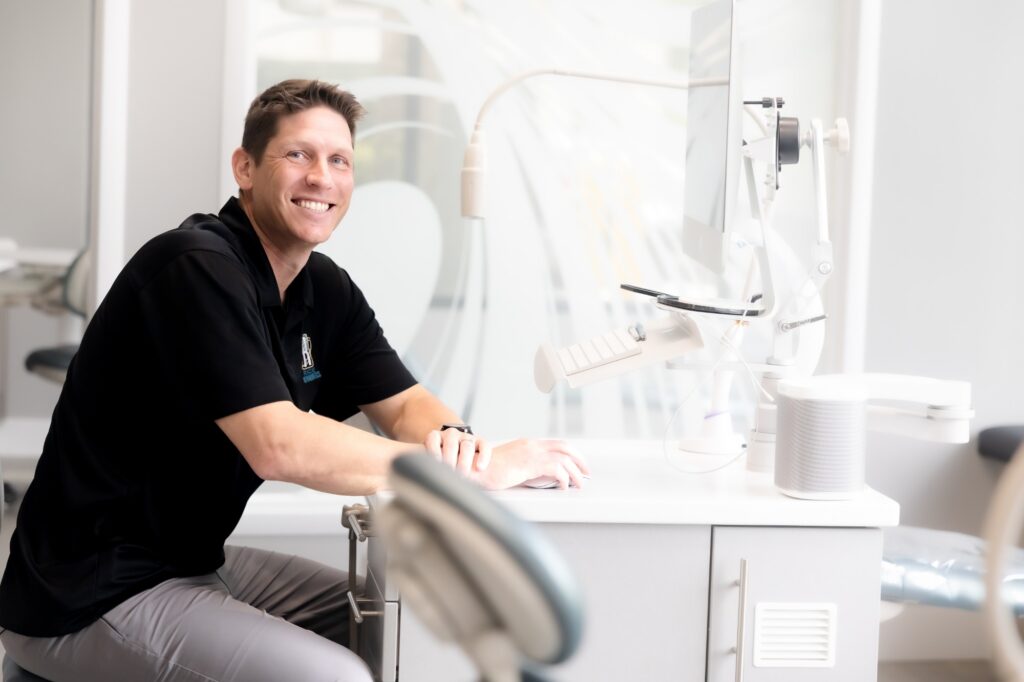
You’ll find orthodontists with different backgrounds and specializations. Some focus on early intervention for children, while others specialize in adult treatment or complex cases requiring surgical coordination. Dr. Jason Rice, a board-certified orthodontist serving Jacksonville and nocatee families, represents the type of specialty-focused provider you should look for when choosing your orthodontist. At Rice Orthodontics, that focus on specialized care shapes every treatment plan.
The scope of your smile story extends well beyond cosmetic improvements. Proper alignment affects how you chew, speak, and even breathe. Jaw positioning influences everything from headache frequency to long-term tooth wear. That’s why choosing a qualified specialist matters so much, especially when you have several orthodontic practices to compare in the Jacksonville area.
How Orthodontic Treatment Works: From Free Consultation to Your New Smile
Orthodontic treatment typically follows four stages: initial consultation, appliance placement, regular progress visits, and retention. Knowing what each stage involves helps you plan ahead and feel confident about the process.
What Happens During the Initial Free Consultation?
Things kick off with a thorough evaluation. Rice Orthodontics offers a free consultation where you’ll receive digital imaging of your teeth and jaw. Dr. Rice examines your bite, discusses your goals, and creates a personalized treatment plan. This visit typically takes about an hour. No pressure, no obligation.
What Happens When Braces or Aligners Are Placed?
Once you decide to move forward, the next visit involves placing your braces or receiving your first set of clear aligners. For metal braces or ceramic braces, brackets are bonded to your teeth and connected with wires. Lingual braces follow the same process but attach to the back of your teeth. Clear aligner patients receive their custom trays along with instructions for wear and care.
What Do Regular Progress Visits Look Like?
Throughout treatment, you’ll visit your orthodontist every four to eight weeks. These visits allow Dr. Rice to adjust wires, check aligner fit, and monitor tooth movement. Your teeth shift gradually into their ideal positions, and you’ll notice real changes along the way. Steady, measurable progress.
What Is the Retention Phase?
After your braces come off or you finish your aligner series, the retention phase begins. Retainers keep your teeth in their new positions while the surrounding bone and tissue stabilize. Most people wear retainers full-time initially, then transition to nighttime wear. Worth it? Absolutely.
Treatment timelines vary based on case complexity. Most active treatment wraps up within 12 to 24 months, though some cases finish faster while others require more time.
Key Benefits of Visiting a Qualified Orthodontist
Orthodontic treatment delivers benefits well beyond a better-looking smile. Here’s what proper alignment really does for you and your family.
How Does Orthodontic Treatment Improve Oral Health?
Properly aligned teeth are significantly easier to brush and floss. When teeth overlap or crowd together, food and bacteria hide in spots that even careful brushing can miss. Straightening your smile reduces your risk of cavities and gum disease over the long term. Big difference.
A corrected bite also distributes chewing forces more evenly across your teeth. This reduces uneven wear and can prevent cracked or chipped teeth down the road. Bite problems contribute to TMJ discomfort and chronic headaches, too. Correcting alignment addresses these issues at their source rather than just managing symptoms.
How Can a Straighter Smile Affect Your Confidence?
A smile you’re proud of changes how you interact with the world. Many people are surprised by how much more confident they feel in social and professional situations once treatment wraps up. That willingness to smile freely, without thinking about it, is something our patients describe as a turning point.
Today’s orthodontic technology includes clear aligners and ceramic braces that are far less noticeable than you might expect. Adults and teens who want subtle treatment have excellent choices. You don’t have to put your life on hold to get the smile you’ve dreamed of.
For children, early orthodontic evaluation can identify developing problems before they become more serious. The American Association of Orthodontists recommends a first evaluation by age seven. Addressing issues like crowding or jaw growth concerns early often prevents more involved treatment later.
Comparing Orthodontic Treatment Options
Orthodontists offer several approaches to straightening teeth, and each has distinct advantages depending on your lifestyle, treatment goals, and case complexity. Dr. Rice and the team at Rice Orthodontics in Jacksonville and nocatee can help you determine which option fits your smile story best.
What Are Metal Braces?
Metal braces remain the most versatile option for orthodontic treatment. Small metal brackets attach to each tooth, connected by wires that apply gentle pressure. Modern brackets are smaller and more comfortable than those from previous decades. If you’re dealing with significant crowding, severe bite issues, or teeth requiring rotation, metal braces handle it all. They’re reliable, effective, and still the go-to for many families.
What Are Ceramic Braces?
Maybe you want the precision of fixed braces but prefer something less noticeable. Ceramic braces work the same way as metal braces but use tooth-colored or clear brackets that blend in with your natural teeth. Some people choose ceramic brackets on their upper teeth where visibility matters most, then metal on the lower arch. It’s a practical middle ground.
What Are Clear Aligners?
Clear aligner systems use a series of custom, removable trays to gradually shift teeth. You wear each set for about two weeks before moving to the next. The trays are nearly invisible and can be removed for eating, brushing, and special occasions. They’re clearly different from fixed options and work well for mild to moderate crowding, spacing, and certain bite corrections.
What Are Lingual Braces?
Want fixed braces without anyone knowing? Lingual braces attach to the tongue side of your teeth, so you can hide braces behind your teeth completely. This fully customized approach appeals to adults and teens who want precision without visible hardware. Lingual braces require specialized training to place and adjust, so look for a provider with specific certification in this technique.
Rice Orthodontics in Jacksonville, FL offers all four treatment types, so you and your family can choose the best fit during your free consultation.
| Treatment Type | Visibility | Best For | Typical Duration |
|---|---|---|---|
| Metal Braces | Most visible | Complex cases, significant bite corrections, all ages | 12-24 months |
| Ceramic Braces | Subtle, tooth-colored | Families who want a less noticeable fixed option | 12-24 months |
| Clear Aligners | Nearly invisible | Mild to moderate cases; great if lifestyle flexibility matters to you | 12-18 months |
| Lingual Braces | Completely hidden | Adults and teens wanting a fully invisible, fixed approach | 12-24 months |

How Much Does an Orthodontist Cost?
Orthodontic treatment in Jacksonville, FL typically costs between $3,000 and $7,000. Cost depends on case complexity, treatment type, provider experience, and insurance coverage. A free consultation provides an accurate estimate for your specific needs.
Case complexity plays the largest role in determining cost. Simple spacing issues require less time and fewer adjustments than severe crowding or significant bite corrections. The type of appliance you choose also affects pricing, with lingual braces and clear aligners sometimes costing more than metal braces.
Provider experience and practice amenities influence fees as well. Orthodontists who have completed advanced residency training or hold specialized certifications may charge differently than general practices offering orthodontic services. That extra training often translates to more efficient treatment and better outcomes, which matters when you’re investing in your smile.
Many orthodontists, including Rice Orthodontics in Jacksonville and nocatee, offer a free consultation so you can understand your treatment needs and costs before committing. Some practices also offer payment plans that spread costs over the treatment period, making orthodontic care more accessible for families managing other financial priorities.
Dental insurance often includes orthodontic benefits, though coverage varies significantly between plans. Contact your insurance provider to verify your specific orthodontic allowance and any age restrictions. Some policies cover treatment for children but not adults. It’s worth checking before your first visit.
Who Is a Good Candidate for Orthodontic Treatment?
Orthodontic treatment benefits people across all age groups. Here’s how to determine if now is the right time to schedule a free consultation.
Children
The American Association of Orthodontists recommends a first evaluation by age seven. At this age, enough permanent teeth have emerged to identify developing problems. Early intervention can guide jaw growth and create space for incoming teeth. Not every child needs treatment right away, but catching issues early gives your orthodontist more options.
Teens
Adolescence remains the most common time for treatment. Most permanent teeth have erupted, and jaw growth is still occurring. Teens today have more options than ever, from metal braces to clear aligners. The right choice depends on their specific case and personal preferences.
Adults
There’s no upper age limit. Whether you never had braces as a teen or your teeth have shifted over time, a board-certified orthodontist like Dr. Rice can evaluate whether treatment is right for you. More adults in Jacksonville are pursuing orthodontic care than ever before, and the results speak for themselves.
Common issues treated include crowding, spacing, overbite, underbite, crossbite, and open bite. Good oral health is a prerequisite for starting treatment, so active cavities or gum disease should be addressed first. A free consultation determines the best approach for your individual situation.
Frequently Asked Questions About Choosing an Orthodontist
How do I choose the best orthodontist?
Look for board certification through the American Board of Orthodontics, which indicates advanced training and rigorous testing. For families in Jacksonville and nocatee, practices offering a free consultation allow you to meet the team and evaluate the office before committing. Read patient reviews, ask about treatment options, and choose a provider whose communication style makes you comfortable. The relationship matters because you’ll be visiting regularly for a year or more.
How long does orthodontic treatment take?
Most people finish within 12 to 24 months. Simple cases can wrap up faster. Complex situations take longer. Dr. Rice provides a timeline estimate during your free consultation based on your specific needs.
Are clear aligners as effective as braces?
It depends on the case. Clear aligners work very well for mild to moderate crowding, spacing issues, and certain bite corrections. For complex cases involving significant rotation or severe bite problems, metal braces often provide more precise control. Your orthodontist recommends the most effective option after evaluating your teeth and goals, so there’s no one-size-fits-all answer here.
What should I do in an orthodontic emergency?
Don’t panic. Contact your orthodontic office right away for guidance. Common issues include loose brackets, poking wires, or lost aligners. Most problems can wait until the next business day, but your provider can advise whether you need an urgent visit. Keep orthodontic wax on hand to cover any irritating wires temporarily.
Is orthodontic treatment painful?
Mild discomfort after adjustments is normal and typically lasts a few days. Your teeth may feel sore as they begin moving. Over-the-counter relievers, soft foods, and warm saltwater rinses help manage any tenderness. Most people find the discomfort manageable and well worth the smile of your dreams.
Choosing the right orthodontist is a personal decision, and having the right information makes it easier. If you’d like to learn more about your options, Rice Orthodontics offers a free consultation for you and your family. Dr. Rice and the team create personalized treatment plans using metal braces, ceramic braces, clear aligners, and lingual braces, because your smile story is one of a kind, just like you.