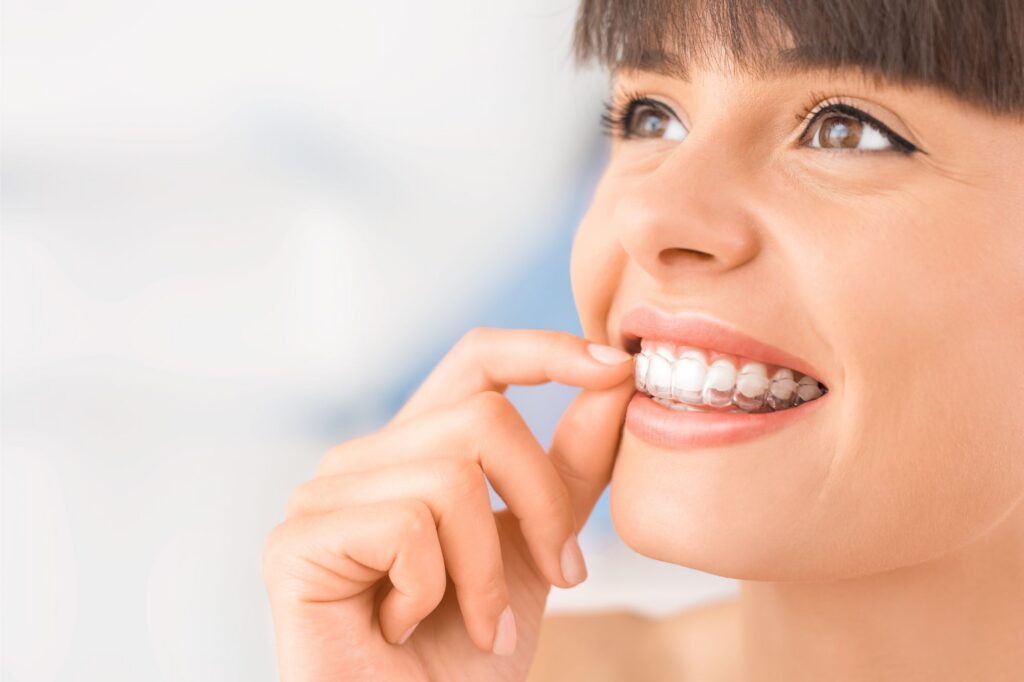
The Complete Guide to Adult Orthodontics in Jacksonville

Adult orthodontics has come a long way, and more adults in Jacksonville are straightening their teeth than ever before. If you have put it off for years, the options today are more discreet and more comfortable than the braces you remember from high school. This guide walks you through how adult treatment works, what your choices are and how to tell if now is the right time to start.

What Is Adult Orthodontics?

Adult orthodontics refers to treatment for adults 18 and older who want to correct alignment issues, bite problems or spacing concerns. Unlike teen treatment, adult care accounts for fully developed jaws and denser bone tissue, which means your orthodontist takes a different approach to moving teeth safely and effectively. Today’s treatment options are designed to fit your lifestyle, and many are nearly invisible.

If you’re dealing with crowding that’s gotten worse over the years, an overbite that causes jaw discomfort or gaps you’ve always wanted to close, orthodontic treatment can help. Dr. Jason Rice works with adults of all ages at Rice Orthodontics, creating personalized treatment plans that address both how your smile looks and how it functions. With years of experience guiding adults through their smile journey, Dr. Rice tailors every plan to your unique goals.

How Adult Orthodontic Treatment Works

Adult orthodontic treatment works by gradually shifting your teeth into proper alignment using one of several appliances: clear aligners, ceramic braces, lingual braces or metal braces. Dr. Rice creates a personalized treatment plan based on your specific case, then monitors progress through regular check-ins until your smile reaches its ideal position. Most adults complete treatment within one to two years.

It all starts with a free consultation. During this visit, Dr. Rice will complete a thorough exam, take digital scans of your teeth and review any necessary imaging. This gives him a complete picture of your bite, alignment and overall oral health.

From there, you’ll receive a personalized treatment plan built around your specific goals. Here’s what the process typically looks like:

  1. Consultation and planning: Dr. Rice discusses your concerns, examines your teeth and jaw, and explains which treatment options fit your case
  2. Appliance fitting: Whether you choose clear aligners, ceramic braces or lingual braces, your custom appliances are created just for you
  3. Progress check-ins: You’ll visit the office every 4-8 weeks so Dr. Rice can monitor movement and make adjustments
  4. Retention phase: After active treatment ends, you’ll wear retainers to keep your teeth in their new positions

Most adults complete treatment in 12-24 months, though your timeline depends on your specific case. Dr. Rice can often start treatment the same day as your consultation if you’re ready to begin your smile journey.

Benefits of Orthodontic Treatment for Adults

Straightening your teeth does more than improve your appearance. Adult orthodontic treatment delivers lasting benefits that affect your daily comfort, long-term health and confidence in every conversation.

How Does Treatment Improve Oral Health?

Properly aligned teeth are easier to brush and floss, reducing your risk of cavities and gum disease. When teeth overlap or crowd together, plaque builds up in spots your toothbrush can’t reach. Straightening those teeth makes your daily hygiene routine far more effective, which protects both your smile and your overall health for years to come.

Will Orthodontics Help My Bite Function?

Yes. Correcting your bite can relieve jaw pain, reduce uneven tooth wear and make chewing more comfortable. Many adults don’t realize how much a misaligned bite contributes to headaches, soreness or worn enamel until treatment resolves those issues.

What About Confidence and Lifestyle?

Many adults report feeling better about their smile in professional and social settings after treatment. Discreet options like clear aligners and lingual braces let you straighten your teeth without drawing attention, so your treatment fits naturally into your work and personal life.

Does Adult Treatment Offer Long-Term Stability?

Yes. Treatment addresses underlying issues rather than masking them, protecting your dental health for years to come. Issues that started in childhood often worsen with age, and treatment stops that progression before it leads to more serious concerns.

According to the American Association of Orthodontists, about one in four orthodontic patients today is an adult. You’re not alone in wanting a better smile, and modern treatment timelines make it easier than ever to fit care into a busy adult life.

Comparing Adult Treatment Options

Choosing the right appliance depends on your lifestyle, the complexity of your case and your personal preferences. Here’s how the main options compare:

Treatment Type Visibility Best For Considerations
Clear Aligners Nearly invisible Mild to moderate crowding, spacing, minor bite issues Removable for eating and cleaning; requires discipline to wear 20-22 hours daily
Ceramic Braces Tooth-colored brackets blend in Moderate to complex cases Fixed appliance handles more severe issues; brackets may stain with certain foods
Lingual Braces Completely hidden (behind teeth) Professionals, performers, anyone wanting invisible treatment Fully customized; placed on the tongue side of teeth
Metal Braces Most visible All case types, including severe Reliable and highly effective for complex corrections

Dr. Rice is a certified lingual braces provider, which means he can offer treatment options many orthodontists don’t provide. During your free consultation, he’ll help you understand which approach makes the most sense for your teeth, your schedule and your goals.

What Affects the Cost of Adult Orthodontics?

The cost of adult orthodontic treatment depends on your case, not a flat rate. The type of appliance you choose, the complexity of your case, the length of treatment and your insurance coverage all play a part. The only way to get an accurate picture for your situation is a free consultation with Dr. Rice.

Treatment Type Matters

Clear aligners, ceramic braces and lingual braces each work differently. Lingual braces, which are fully customized and placed behind your teeth, involve more precision than standard options, and that can affect the overall investment.

Case Complexity Plays a Role

More severe alignment or bite issues take longer and need more appointments. A straightforward case moves faster, while complex bite corrections or significant crowding call for more time and resources.

Insurance and Planning

Most treatment plans at Rice Orthodontics include diagnostic imaging, all adjustments and retainers, so you know what’s part of your plan from the start. Many dental insurance plans offer orthodontic benefits for adults, though coverage varies by provider and policy. Our team can help you understand your benefits before you begin.

Are You a Candidate for Adult Orthodontics?

Most healthy adults are candidates for orthodontic treatment, regardless of age. Whether you’re in your 30s, 50s or even beyond, it’s truly never too late to discover the smile you’ve dreamed of. Dr. Rice has worked with adults across every life stage who decided their smile mattered, and the results speak for themselves.

Good candidates typically have:

  • Healthy gums without active periodontal disease
  • Adequate bone support around the teeth
  • Commitment to maintaining good oral hygiene during treatment
  • Willingness to attend regular appointments

Special considerations include:

  • Existing dental work like crowns, bridges or implants (these require careful planning but don’t rule out treatment)
  • Previous orthodontic treatment that has relapsed
  • TMJ issues or jaw pain that may be related to bite problems

The only way to know for certain whether orthodontic treatment is right for you is through a free consultation. Dr. Rice will evaluate your teeth, jaw and overall oral health to determine the best path forward. He’ll also walk you through what to expect at each stage, answer questions about your lifestyle and goals, and help you and your family feel completely confident in the plan before anything begins.

Frequently Asked Questions About Adult Orthodontics

Am I too old for braces?

No. Adults of any age can benefit from orthodontic treatment as long as their teeth and gums are healthy. Dr. Rice regularly works with adults well into their 50s and 60s who want to improve their smiles.

How long does adult treatment take?

Most adult treatment takes between 12 and 24 months. Your specific timeline depends on the complexity of your case and the type of appliance you choose. Dr. Rice will give you a realistic estimate during your free consultation.

Do clear aligners work as well as braces?

For most cases, yes. Clear aligners effectively treat crowding, spacing and many bite issues. More complex cases may benefit from metal braces, ceramic braces or lingual braces, which give Dr. Rice more precise control over tooth movement.

Will treatment affect my work or social life?

Modern orthodontic options are designed with adults in mind. Clear aligners are nearly invisible, and lingual braces hide behind your teeth completely. Many adults go through treatment at Rice Orthodontics without coworkers or friends ever noticing.

Does insurance cover adult orthodontics?

Many dental insurance plans include orthodontic benefits for adults, though coverage amounts vary. Our team will help you understand your benefits and maximize your coverage before treatment begins.

What happens after treatment ends?

You’ll wear retainers to maintain your results. Initially, you may wear them full-time, then transition to nighttime wear. Retainers are essential. Without them, teeth can gradually shift back toward their original positions, which is why Dr. Rice and our team emphasize retention as part of every plan.

Your Guide to Choosing an Orthodontist in Jacksonville, FL

Finding the right orthodontist in Jacksonville, FL can feel overwhelming when you’re ready to get the smile you’ve dreamed of. Whether you’re considering treatment for yourself, your teen or your child, understanding what orthodontists do and how to evaluate your options makes the decision easier. This guide walks you and your family through everything you need to know about orthodontic care, from that first free consultation to beautiful, forever smiles.

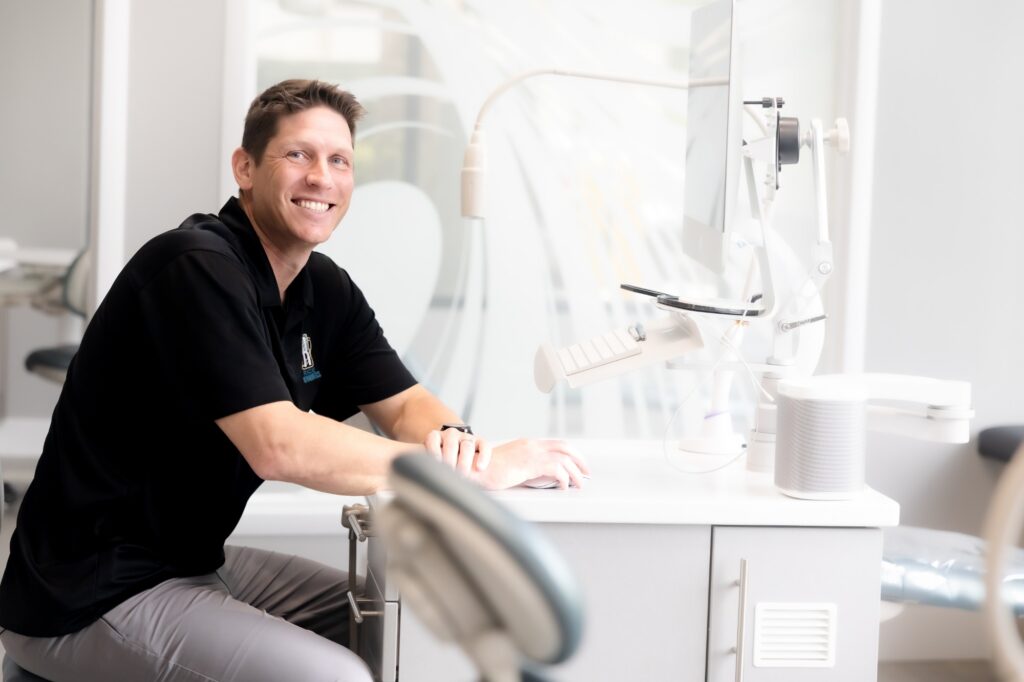
Dr. Jason Rice, orthodontist in Jacksonville, FL

What Does an Orthodontist Actually Do?

An orthodontist is a dental specialist who focuses exclusively on straightening teeth, aligning bites and correcting jaw positioning. After completing dental school, orthodontists pursue an additional two to three years of specialized residency training. That training covers the biomechanics of tooth movement, facial growth patterns and advanced treatment techniques that general dentists don’t receive.

Here’s a simple way to think about it. A general dentist handles fillings, cleanings and overall oral health. An orthodontist dedicates their entire practice to creating properly aligned smiles. Board-certified orthodontists have passed rigorous examinations demonstrating their expertise, which signals a commitment to clinical excellence that goes beyond the minimum requirements.

You’ll find orthodontists with different backgrounds and specializations. Some focus on early intervention for children, while others specialize in adult treatment or complex cases requiring surgical coordination. Dr. Jason Rice, an orthodontic specialist serving Jacksonville and Nocatee families, represents the type of specialty-focused provider you should look for when choosing your orthodontist. At Rice Orthodontics, that focus on specialized care shapes every treatment plan.

The scope of your smile story extends well beyond cosmetic improvements. Proper alignment affects how you chew, speak and even breathe. Jaw positioning influences everything from headache frequency to long-term tooth wear. That’s why choosing a qualified specialist matters so much, especially when you have several orthodontic practices to compare in the Jacksonville area.

How Orthodontic Treatment Works: From Free Consultation to Your New Smile

Orthodontic treatment typically follows four stages: initial consultation, appliance placement, regular progress visits and retention. Knowing what each stage involves helps you plan ahead and feel confident about the process.

What Happens During the Initial Free Consultation?

Things kick off with a thorough evaluation. Rice Orthodontics offers a free consultation where you’ll receive digital imaging of your teeth and jaw. Dr. Rice examines your bite, discusses your goals and creates a personalized treatment plan. This visit typically takes about an hour. No pressure, no obligation.

What Happens When Braces or Aligners Are Placed?

Once you decide to move forward, the next visit involves placing your braces or receiving your first set of clear aligners. For metal braces or ceramic braces, brackets are bonded to your teeth and connected with wires. Lingual braces follow the same process but attach to the back of your teeth. Clear aligner patients receive their custom trays along with instructions for wear and care.

What Do Regular Progress Visits Look Like?

Throughout treatment, you’ll visit your orthodontist every four to eight weeks. These visits allow Dr. Rice to adjust wires, check aligner fit and monitor tooth movement. Your teeth shift gradually into their ideal positions, and you’ll notice real changes along the way. Steady, measurable progress.

What Is the Retention Phase?

After your braces come off or you finish your aligner series, the retention phase begins. Retainers keep your teeth in their new positions while the surrounding bone and tissue stabilize. Most people wear retainers full-time initially, then transition to nighttime wear. Worth it? Absolutely.

Treatment timelines vary based on case complexity. Most active treatment wraps up within 12 to 24 months, though some cases finish faster while others require more time.

Key Benefits of Visiting a Qualified Orthodontist

Orthodontic treatment delivers benefits well beyond a better-looking smile. Here’s what proper alignment really does for you and your family.

How Does Orthodontic Treatment Improve Oral Health?

Properly aligned teeth are significantly easier to brush and floss. When teeth overlap or crowd together, food and bacteria hide in spots that even careful brushing can miss. Straightening your smile reduces your risk of cavities and gum disease over the long term. Big difference.

A corrected bite also distributes chewing forces more evenly across your teeth. This reduces uneven wear and can prevent cracked or chipped teeth down the road. Bite problems contribute to TMJ discomfort and chronic headaches, too. Correcting alignment addresses these issues at their source rather than just managing symptoms.

How Can a Straighter Smile Affect Your Confidence?

A smile you’re proud of changes how you interact with the world. Many people are surprised by how much more confident they feel in social and professional situations once treatment wraps up. That willingness to smile freely, without thinking about it, is something our patients describe as a turning point.

Today’s orthodontic technology includes clear aligners and ceramic braces that are far less noticeable than you might expect. Adults and teens who want subtle treatment have excellent choices. You don’t have to put your life on hold to get the smile you’ve dreamed of.

For children, early orthodontic evaluation can identify developing problems before they become more serious. The American Association of Orthodontists recommends a first evaluation by age seven. Addressing issues like crowding or jaw growth concerns early often prevents more involved treatment later.

Comparing Orthodontic Treatment Options

Orthodontists offer several approaches to straightening teeth, and each has distinct advantages depending on your lifestyle, treatment goals and case complexity. Dr. Rice and the team at Rice Orthodontics in Jacksonville and Nocatee can help you determine which option fits your smile story best.

What Are Metal Braces?

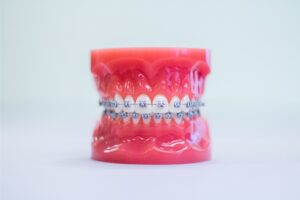
Metal braces remain the most versatile option for orthodontic treatment. Small metal brackets attach to each tooth, connected by wires that apply gentle pressure. Modern brackets are smaller and more comfortable than those from previous decades. If you’re dealing with significant crowding, severe bite issues or teeth requiring rotation, metal braces handle it all. They’re reliable, effective and still the go-to for many families.

What Are Ceramic Braces?

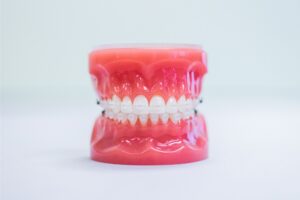
Maybe you want the precision of fixed braces but prefer something less noticeable. Ceramic braces work the same way as metal braces but use tooth-colored or clear brackets that blend in with your natural teeth. Some people choose ceramic brackets on their upper teeth where visibility matters most, then metal on the lower arch. It’s a practical middle ground.

What Are Clear Aligners?

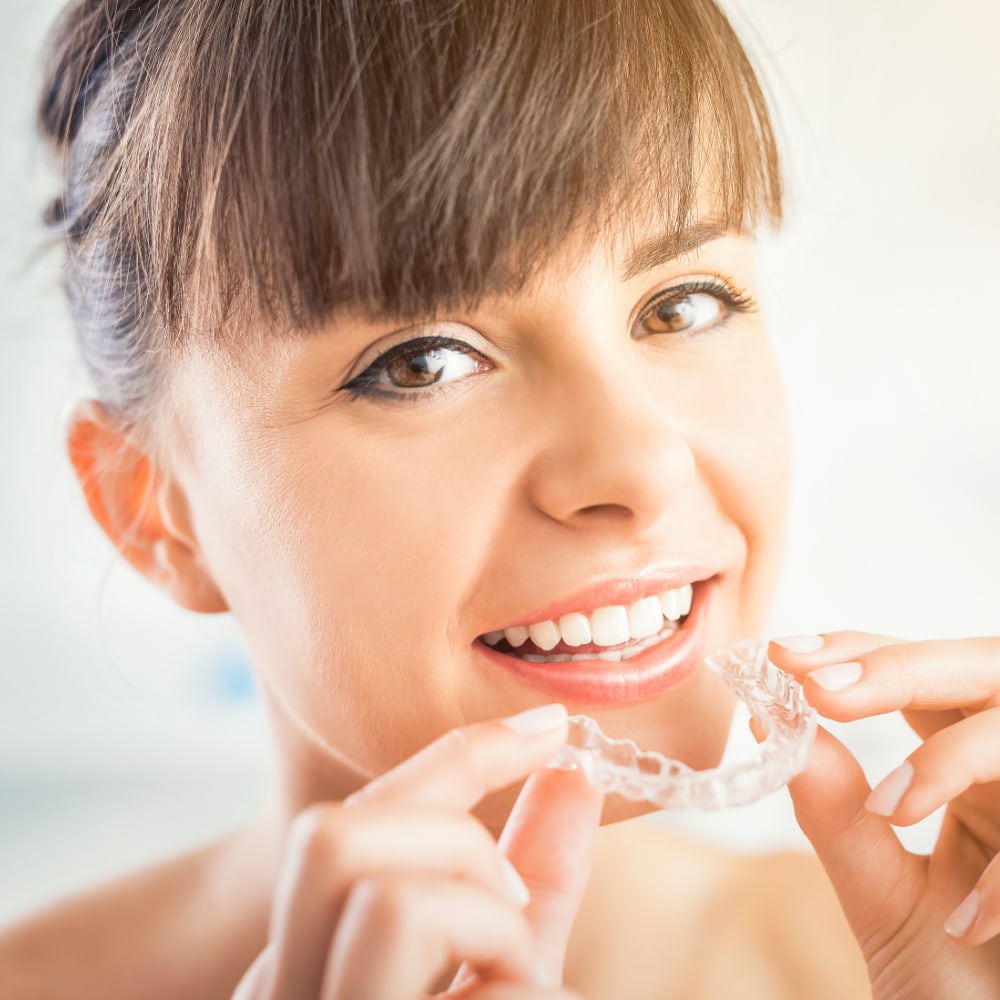
Clear aligner systems use a series of custom, removable trays to gradually shift teeth. You wear each set for about two weeks before moving to the next. The trays are nearly invisible and can be removed for eating, brushing and special occasions. They work well for mild to moderate crowding, spacing and certain bite corrections.

What Are Lingual Braces?

Want fixed braces without anyone knowing? Lingual braces attach to the tongue side of your teeth, so you can hide them behind your teeth completely. This fully customized approach appeals to adults and teens who want precision without visible hardware. Lingual braces require specialized training to place and adjust, so look for a provider with specific certification in this technique.

Rice Orthodontics in Jacksonville, FL offers all four treatment types, so you and your family can choose the best fit during your free consultation.

Treatment Type Visibility Best For Typical Duration
Metal Braces Most visible Complex cases, significant bite corrections, all ages 12-24 months
Ceramic Braces Subtle, tooth-colored Families who want a less noticeable fixed option 12-24 months
Clear Aligners Nearly invisible Mild to moderate cases; great if lifestyle flexibility matters to you 12-18 months
Lingual Braces Completely hidden Adults and teens wanting a fully invisible, fixed approach 12-24 months

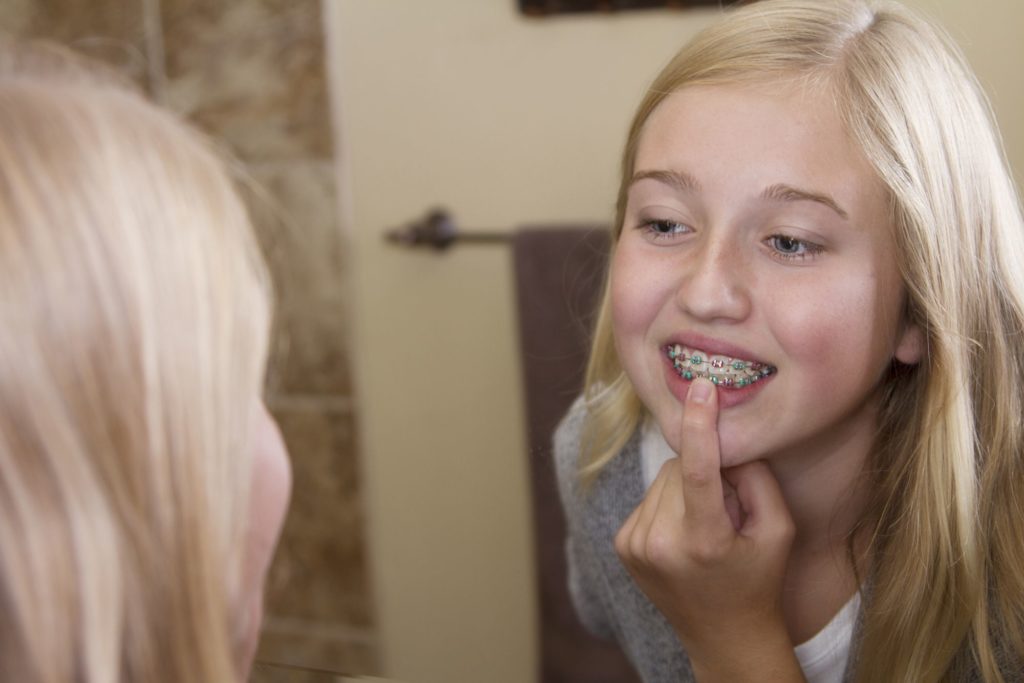
Patient with braces during orthodontic treatment in Jacksonville, FL

What Affects the Cost of Orthodontic Treatment?

The cost of orthodontic treatment depends on your case, not a flat rate. Case complexity is the biggest factor. A simple spacing issue takes less time and fewer visits than severe crowding or a significant bite correction. The type of treatment you choose plays a role too, and so does your insurance coverage. A free consultation is the best way to get an accurate picture for your own situation.

Provider training matters as well. An orthodontist who has completed a specialty residency or additional certification often treats cases more efficiently, which is worth weighing when you compare practices.

Many dental plans include orthodontic benefits, though coverage varies from plan to plan. Contact your insurance provider to check your orthodontic allowance and any age limits, since some policies cover children but not adults. It’s worth confirming before your first visit.

Who Is a Good Candidate for Orthodontic Treatment?

Orthodontic treatment benefits people across all age groups. Here’s how to tell if now is the right time to schedule a free consultation.

Children

The American Association of Orthodontists recommends a first evaluation by age seven. At this age, enough permanent teeth have emerged to identify developing problems. Early intervention can guide jaw growth and create space for incoming teeth. Not every child needs treatment right away, but catching issues early gives your orthodontist more options.

Teens

Adolescence remains the most common time for treatment. Most permanent teeth have erupted, and jaw growth is still occurring. Teens today have more options than ever, from metal braces to clear aligners. The right choice depends on their specific case and personal preferences.

Adults

There’s no upper age limit. Whether you never had braces as a teen or your teeth have shifted over time, a specialist like Dr. Rice can evaluate whether treatment is right for you. More adults in Jacksonville are pursuing orthodontic care than ever before, and the results speak for themselves.

Common issues treated include crowding, spacing, overbite, underbite, crossbite and open bite. Good oral health is a prerequisite for starting treatment, so active cavities or gum disease should be addressed first. A free consultation determines the best approach for your individual situation.

Frequently Asked Questions About Choosing an Orthodontist

How do I choose the best orthodontist?

Look for board certification through the American Board of Orthodontics, which indicates advanced training and rigorous testing. For families in Jacksonville and Nocatee, practices offering a free consultation let you meet the team and see the office before committing. Read patient reviews, ask about treatment options and choose a provider whose communication style makes you comfortable. The relationship matters, because you’ll be visiting regularly for a year or more.

How long does orthodontic treatment take?

Most people finish within 12 to 24 months. Simple cases can wrap up faster. Complex situations take longer. Dr. Rice provides a timeline estimate during your free consultation based on your specific needs.

Are clear aligners as effective as braces?

It depends on the case. Clear aligners work very well for mild to moderate crowding, spacing issues and certain bite corrections. For complex cases involving significant rotation or severe bite problems, metal braces often provide more precise control. Your orthodontist recommends the most effective option after evaluating your teeth and goals, so there’s no one-size-fits-all answer here.

What should I do in an orthodontic emergency?

Don’t panic. Contact your orthodontic office right away for guidance. Common issues include loose brackets, poking wires or lost aligners. Most problems can wait until the next business day, but your provider can advise whether you need an urgent visit. Keep orthodontic wax on hand to cover any irritating wires temporarily.

Is orthodontic treatment painful?

Mild discomfort after adjustments is normal and typically lasts a few days. Your teeth may feel sore as they begin moving. Over-the-counter relievers, soft foods and warm saltwater rinses help manage any tenderness. Most people find the discomfort manageable and well worth the smile of your dreams.

Choosing the right orthodontist is a personal decision, and having the right information makes it easier. If you’d like to learn more about your options, Rice Orthodontics offers a free consultation for you and your family. Dr. Rice and the team create personalized treatment plans using metal braces, ceramic braces, clear aligners and lingual braces, because your smile story is one of a kind, just like you.

Invisalign vs Braces: How to Choose the Right Treatment

Sitting in the consultation chair weighing clear aligners against braces is something families do here every week, and at Rice Orthodontics we help you and your family compare the options with real answers. Both clear aligners and braces straighten teeth beautifully, but they work in very different ways. The right fit depends on your smile goals, your daily routine, and the complexity of your bite.

metal braces in jacksonville fl orthodontics jacksonville

What Are Invisalign and Braces?

Invisalign uses clear, removable aligners that gently shift teeth over time. Braces use small brackets bonded to each tooth and connected by a wire that guides movement. Both correct crowding, gaps, and bite issues, but one is nearly invisible and comes out for meals, while the other stays fixed in place until you finish. You can see how Invisalign at Rice Orthodontics compares in daily wear.

Clear aligners are made from smooth, medical-grade plastic and are nearly invisible when worn. You swap trays every one to two weeks, and each set moves your teeth a little closer to the final result.

Braces are a fixed option, meaning they stay on until your treatment is complete. Modern braces come in a few forms:

  • Metal braces with durable stainless-steel brackets
  • Ceramic braces that blend in with tooth-colored brackets on your top teeth
  • Lingual braces placed behind your teeth so they stay hidden from view

Deciding how to choose the right treatment really comes down to three things: how visible you want your care to be, how well the option fits your lifestyle, and how complex your case is. Dr. Rice walks you through each factor during your free consultation, so you can make a confident choice.

How Do Invisalign and Braces Work?

Invisalign works through a series of custom clear trays changed every one to two weeks, worn 20 to 22 hours a day and removed only to eat, drink, and brush. Braces work through brackets bonded to your teeth connected by a wire that Dr. Rice adjusts every four to eight weeks, applying gentle, steady pressure to shift teeth into place.

With clear aligners, your care starts with a digital scan of your teeth. Dr. Rice maps out every stage of your smile transformation in advance, and you receive a full set of clear aligners in Jacksonville to wear in order.

Here’s what a typical clear aligner routine looks like:

  1. Wear your current tray 20 to 22 hours daily
  2. Pop them out for meals, snacks, and brushing
  3. Switch to your next set every one to two weeks
  4. Check in with Dr. Rice every six to eight weeks

Braces follow a different rhythm. Once the brackets are bonded and the wire is in place, the wire does the work between visits. During each adjustment, Dr. Rice replaces or tightens the wire so your teeth keep moving on schedule. Progress is monitored through in-office checkups and, when helpful, digital scans that track how your bite is changing. If you are weighing braces in Jacksonville, each style is worth a closer look.

Both approaches give you a personalized treatment plan built around your specific goals.

Benefits of Invisalign and Braces

Each option brings real advantages, and part of choosing well is knowing what each one does best.

Benefits of clear aligners (Invisalign):

  • Nearly invisible, so hardly anyone knows you’re straightening your teeth
  • Removable for eating, brushing, and flossing
  • No food restrictions, so pizza crust and popcorn are still on the menu
  • Smooth plastic that’s comfortable against your cheeks and gums
  • Often fewer in-office visits thanks to digital planning
  • Easier oral hygiene since you brush and floss normally

Benefits of braces:

  • Highly effective for complex crowding, rotations, and bite corrections
  • No compliance needed, since they work 24/7 without you thinking about it
  • Great fit for younger children and teens still developing habits
  • Ceramic braces let you blend in with subtle, tooth-colored brackets on your top teeth
  • Lingual braces hide braces behind your teeth for a completely hidden option
  • Predictable, proven results across a wide range of cases

Both paths lead to beautiful, forever smiles. Dr. Rice and our team at Rice Orthodontics help you and your family weigh which set of benefits matters most for daily life, school, work, and long-term oral health. An orthodontist completes additional years of specialized training beyond dental school, which means your care is guided by an expert in tooth and jaw movement.

Invisalign vs Braces: Side-by-Side Comparison

When you line them up next to each other, the differences become much easier to see, and it becomes simpler to choose the right treatment for your family. Here’s a quick-scan comparison to help you talk through the options at home.

Feature Clear Aligners (Invisalign) Braces
Appearance Nearly invisible clear trays Visible metal, subtle ceramic, or hidden lingual
Comfort Smooth plastic, no brackets or wires Some initial bracket or wire irritation, eases over time
Removability Fully removable for meals and cleaning Fixed in place until treatment ends
Maintenance Rinse trays, brush and floss normally Careful brushing and flossing around brackets and wires
Food restrictions None; take them out to eat Avoid sticky, hard, and crunchy foods
Discipline required High; must wear 20 to 22 hours a day Low; treatment continues automatically
In-office visits Every 6 to 8 weeks Every 4 to 8 weeks for adjustments
Case complexity Great for mild to moderate cases Often better for complex bites and rotations
Best for Adults, teens who’ll stay consistent Kids, teens, adults with more involved corrections

Comfort tends to be a big talking point. Clear aligners are smooth all over, while brackets can occasionally rub before your cheeks adjust. On the flip side, braces never come out, so there’s no risk of forgetting to put them back in after lunch.

The bottom line: clear aligners reward discipline with subtlety, and braces reward you with steady, hands-off progress. Both can deliver the smile you’ve dreamed of when matched to the right patient.

Cost Factors for Invisalign and Braces

The cost of clear aligners and braces comes down to how complex your case is, how long your treatment takes, and the specific option you choose. Insurance benefits paired with a payment plan help offset your out-of-pocket cost, and lingual and ceramic braces usually cost more because of the materials involved.

A few factors that shape your final estimate:

  • The complexity of your bite and how much movement is needed
  • The length of your personalized treatment plan
  • Whether you choose metal, ceramic, lingual, or clear aligners
  • Your orthodontic insurance benefits
  • Any additional appliances that support your smile transformation

We accept many types of insurance and offer flexible financing so cost doesn’t stand between you and a healthier smile. During your free consultation, Dr. Rice reviews your goals, walks you through your options, and gives you a clear, personalized estimate. That way you know exactly what to expect before you start your smile journey.

Who Is a Good Candidate for Each Option?

Great candidates for clear aligners tend to be teens and adults with mild to moderate crowding, spacing, or bite issues who can commit to wearing trays 20 to 22 hours a day. Braces are often the stronger choice for complex bites, significant rotations, and younger children whose smiles are still developing. This is where knowing how to choose the right treatment really pays off, and it’s something families across Jacksonville ask us about often.

Here’s a quick way to think about it:

  • Consider clear aligners if you: want a nearly invisible option, prefer removable treatment, have a mild to moderate case, and can stay consistent with wear
  • Consider braces if you: have a more complex bite, want a set-it-and-forget-it option, are a younger child or teen, or prefer ceramic or lingual styles for a discreet look

Age isn’t a barrier for either treatment. Children, teens, and adults all benefit from a straighter, healthier smile, and modern options make it easier than ever to find one that fits. The best way to know for sure is an in-person evaluation with an orthodontist. Dr. Jason Rice reviews your teeth, bite, X-rays, and goals to confirm which path will get you the smile of your dreams.

Frequently Asked Questions

Which is faster, Invisalign or braces?

Speed depends on the complexity of your case, not the type of treatment. Some mild cases finish faster with clear aligners because progress is planned digitally from the start, while more involved bite corrections often move most efficiently with braces. Dr. Rice gives you a realistic timeline during your free consultation.

Does Invisalign hurt less than braces?

Both treatments cause mild soreness when teeth start shifting or after an adjustment, and that’s a normal sign your smile transformation is working. Clear aligners have smooth edges that tend to be gentler on cheeks and lips, while braces can occasionally cause minor irritation until your mouth adjusts. Warm salt-water rinses help with either option.

Can Invisalign fix the same problems as braces?

Clear aligners can address many of the same issues, including crowding, gaps, and common bite problems. That said, very complex rotations, severe bite corrections, or certain jaw issues are still best treated with braces. Dr. Rice will tell you honestly which option gets you the best result.

How long does each treatment take?

Most orthodontic treatment often takes about 12 to 24 months, though it varies from case to case, and shorter and longer plans do happen. Your timeline depends on how much movement is needed and, for clear aligners, how consistently you wear them. Dr. Rice confirms your specific timeline once he reviews your teeth and bite in person.

Are braces or Invisalign better for teens?

Both work well for teens. Braces are a strong choice for teens who prefer not to think about compliance, while clear aligners suit teens who are responsible about wearing and caring for their trays. Family lifestyle, sports, and school routines all play a role. Many families across Jacksonville find that a quick visit clears up which option fits their teen best.

Can I switch from braces to Invisalign?

In some cases, yes. If your teeth have made progress but you’d like to finish in clear trays, Dr. Rice can evaluate whether switching mid-treatment makes sense for your goals and your bite. He and our team at Rice Orthodontics will walk you through the trade-offs so your smile journey stays on track and you reach the smile you’ve dreamed of.


What You Can and Can’t Eat With Braces: Complete Food Guide

Eating With Braces: An Overview

Protecting your brackets and wires from hard, sticky, or chewy foods is the key to eating well with braces. The wrong foods can bend, pop, or damage the hardware. Most everyday meals are still on the menu with small tweaks, like cutting things into smaller pieces or cooking veggies until tender. The first few days after getting braces call for softer choices while your mouth adjusts.

Knowing exactly what to enjoy and what to skip keeps your smile transformation on schedule. At Rice Orthodontics, Dr. Rice and our team are always happy to help you and your family sort through the options so your treatment stays on track from start to finish.

person eating braces-friendly foods at a table

How Braces Affect What You Eat

Braces change how you eat because brackets and wires can be damaged by the wrong foods. Hard items like ice or nuts can snap a bracket off, while sticky candies can pull wires loose. Chewing with your back teeth and cutting food into small bites protects the hardware and keeps your treatment moving.

Right after adjustments, your teeth will feel sore for a few days. Softer foods make this stretch much easier. Cold options like yogurt or smoothies can also calm tender gums.

One more thing to keep in mind: small food particles love to hide around brackets. That means brushing and flossing after meals matters more than ever. Here are a few simple habits that help:

  • Cut fruits, veggies, and sandwiches into bite-sized pieces
  • Chew slowly, using your back teeth when possible
  • Rinse with water after snacks when brushing isn’t an option
  • Keep floss threaders or a water flosser handy

Small changes like these protect your braces and keep your progress steady. If you want to compare your options before you start, traditional metal braces work a little differently day to day.

Foods That Are Always Safe for Braces

Good news: plenty of foods are braces-friendly from day one. These options are gentle on your hardware and easy to eat, even after an adjustment visit.

Dairy:

  • Soft cheeses like mozzarella, brie, and cottage cheese
  • Yogurt (plain, Greek, or with soft mix-ins)
  • Milk-based drinks and milkshakes

Soft grains:

  • Pasta and macaroni
  • Rice and risotto
  • Soft breads without hard crusts
  • Oatmeal, cream of wheat, and cooked cereals

Proteins:

  • Scrambled or hard-boiled eggs
  • Tofu
  • Soft-cooked chicken, meatballs, or shredded beef
  • Fish and seafood (baked or steamed)

Fruits:

  • Bananas
  • Berries
  • Applesauce and fruit purees
  • Peeled peaches, pears, and other soft fruits

Vegetables:

  • Steamed broccoli, carrots, and green beans
  • Mashed potatoes and sweet potatoes
  • Cooked spinach and squash
  • Avocado

Braces-friendly snacks:

  • Smoothies (skip the ice)
  • Pudding, Jell-O, and custard
  • Hummus with soft pita
  • Guacamole

Sticking to this list keeps your brackets safe while giving you plenty of variety at every meal. When you have a full rotation of foods you enjoy, staying consistent feels far less like a chore.

What Can’t You Eat With Braces? A Quick Comparison

Some foods are simply too risky to keep eating during your smile story. Here’s a quick side-by-side to help you and your family decide what to grab and what to skip.

Category Avoid Braces-Friendly Alternative
Hard foods Nuts, hard candy, ice, raw carrots, hard pretzels Soft cheese cubes, cooked carrots, soft crackers
Sticky foods Caramel, gum, taffy, gummy candies, Starbursts Chocolate that melts, pudding, soft cookies
Chewy foods Bagels, tough bread crusts, beef jerky, licorice Soft sandwich bread, shredded chicken, tender meatballs
Chips Crunchy tortilla chips, hard corn chips Soft baked chips, veggie straws, cheese puffs
Fruits and veggies on the bone or core Whole apples, corn on the cob, whole raw carrots Sliced apples, corn cut off the cob, steamed carrot coins

The trick is modification. Love apples? Slice them thin. Craving corn? Cut the kernels off the cob. Want something crunchy? Try softer baked options instead of hard, crunchy chips. Small swaps make a big difference in protecting your braces, and most families find their favorite meals still fit with only minor adjustments.

How Food Choices Affect Treatment Time and Cost

The foods you choose have a direct impact on how smoothly your treatment goes. Broken brackets and bent wires mean extra visits to Rice Orthodontics for repairs, and each repair can add weeks to your overall timeline.

Emergency visits can also come with additional fees, depending on your personalized treatment plan and how often repairs are needed. Staying consistent with braces-safe eating keeps your appointments on schedule and your total treatment time as short as possible. This is one of the simplest ways to keep your budget predictable, too.

Here’s what protecting your hardware looks like in practice:

  • Fewer emergency visits between regular adjustments
  • Steady progress toward your final smile
  • Less time overall in braces
  • More predictable costs from start to finish

Dr. Rice and our team will always be here if something breaks, but the best strategy is prevention. A few smart food choices go a long way toward keeping your treatment moving as planned. If cost is on your mind, we can walk through payment options at a free consultation.

What to Eat the First Week With Braces

The first week with braces calls for soft foods because your teeth and gums will feel tender for the first several days. Stick with soups, smoothies, mashed potatoes, scrambled eggs, yogurt, and applesauce during this stretch. Cold foods can soothe sore spots, while anything crunchy or chewy should wait until the soreness fades.

Here’s a simple day-by-day guide for that first week:

Day 1:

  • Cold smoothies (no ice chunks)
  • Yogurt or Greek yogurt
  • Pudding, custard, or ice cream
  • Lukewarm broth-based soups

Days 2-3:

  • Mashed potatoes and gravy
  • Scrambled eggs
  • Oatmeal or cream of wheat
  • Applesauce and soft fruits

Days 4-7:

  • Soft pasta with mild sauce
  • Steamed veggies
  • Tender fish or shredded chicken
  • Soft breads without hard crusts

As the soreness eases, gradually add firmer foods back in. Listen to your mouth. If something hurts to chew, give it another day or two. There’s no rush, and every mouth adjusts at its own pace. Many of our patients find they are back to nearly normal eating within a week or so, though the exact timing varies from person to person.

Frequently Asked Questions

Can you eat chips with braces?

Soft baked chips and veggie straws are usually fine, but hard, crunchy tortilla chips and kettle-cooked chips can snap brackets or bend wires. If you’re craving a crunch, try softer alternatives or let chips soften slightly before eating.

What can you eat with braces the first day?

Stick with soft, cool foods the first day, like smoothies, yogurt, pudding, applesauce, mashed potatoes, and lukewarm soup. Your teeth will feel sore, so cold options can help soothe tenderness while you get used to the new hardware.

Can you chew gum with braces?

Avoid sticky gum entirely. It can pull on wires, get stuck in brackets, and create a mess that’s hard to clean out. If you want fresh breath, sugar-free mints or a quick rinse with water are safer options.

What happens if I break a bracket?

Call Rice Orthodontics right away to schedule a repair visit. In the meantime, if a wire is poking, you can cover it with orthodontic wax. A broken bracket that goes unrepaired can slow your progress, so we’ll get you in as soon as we can. Dr. Jason Rice, an experienced orthodontist and member of the American Association of Orthodontists, and our team are here to answer every question along the way. If you’re just getting started, a free consultation is a relaxed way to talk through the smile of your dreams with no pressure at all.

Can I eat popcorn with braces?

Skip popcorn while you’re in braces. The hulls easily get wedged under brackets and between wires, and unpopped kernels are hard enough to break hardware. Once your braces come off, popcorn is back on the menu.

Are there any drinks I should avoid?

Sugary sodas, sports drinks, and juices can lead to enamel damage and staining around brackets. Water is always the best choice. If you enjoy other drinks, sip through a straw and rinse with water afterward.

Orthodontic Treatment in Ponte Vedra Beach: Your Local Guide

The Complete Guide to Adult Orthodontics in Ponte Vedra Beach

Thinking about straightening your teeth as an adult? You’re in good company. More grown-ups than ever are seeking orthodontic care in Ponte Vedra Beach, and today’s options give adults discreet choices that fit work and social life. Whether you’ve been considering this for years or just started exploring, adult orthodontics has come a long way from the days when braces meant a mouthful of metal.

Adult treatment corrects alignment issues, bite problems and spacing concerns for people 18 and older. Because adult jaws are fully developed and bone tissue is denser, tooth movement works a little differently than it does for teens. Clear aligners, ceramic braces and lingual braces all give adults real choices that fit careers, social calendars and personal preferences.

Maybe your crowding has worsened over the years. Maybe an overbite causes jaw discomfort. Maybe you’ve always wanted to close a gap. Whatever brought you here, adults of all ages work with Dr. Jason Rice, DDS, a board-certified orthodontist and AAO member serving Ponte Vedra Beach, to create personalized treatment plans built around their goals, timeline and lifestyle.

What Is Adult Orthodontic Treatment?

Adult orthodontic treatment uses appliances like braces or aligners to gradually move teeth into better positions. The process typically takes 12 to 24 months and includes diagnostic records, a custom treatment plan, fitting your chosen appliance, regular check-ins and a retention phase to hold your results. It looks similar to teen orthodontics on the surface, but the clinical approach accounts for mature bone and any existing dental work like crowns or implants.

Modern orthodontic care in Ponte Vedra Beach emphasizes discretion. Many adults choose options that are nearly invisible, so treatment quietly happens in the background of busy lives.

How Orthodontic Treatment in Ponte Vedra Beach Works

Orthodontic treatment works by applying gentle, steady force to teeth, prompting bone to remodel as teeth shift into new positions. The full process generally spans 12 to 24 months and includes five main steps: diagnostic records, treatment planning, appliance fitting, progress check-ins every 4 to 8 weeks and a retention phase with custom retainers.

It starts with a free consultation. During this visit, Dr. Rice performs a thorough exam, takes digital imaging and creates precise scans of your teeth. This information helps him understand your bite, identify alignment issues and discuss what you’d like to achieve.

From there, Dr. Rice designs a custom treatment plan based on your specific needs. Here’s what the process typically looks like:

  1. Consultation and diagnostic records – Digital scans, X-rays and photos give Dr. Rice a complete picture of your teeth and jaw
  2. Treatment planning – You’ll review options together and choose the approach that works best for you
  3. Appliance fitting – Whether you choose clear aligners, ceramic braces or lingual braces, Dr. Rice makes sure everything fits comfortably
  4. Progress check-ins – You’ll visit every 4 to 8 weeks so Dr. Rice can monitor movement and make adjustments
  5. Retention phase – Once your teeth reach their final positions, custom retainers keep your results in place

Most adults finish in 12 to 24 months, though your timeline depends on the complexity of your case.

Benefits of Orthodontic Treatment for Ponte Vedra Beach Adults

Straightening your teeth as an adult does more than improve your appearance. It can change how you feel about your smile and protect your oral health for years to come.

What Are the Health Benefits?

Straight teeth aren’t just about looks. They also support better long-term oral health.

  • Properly aligned teeth are easier to brush and floss, reducing your risk of cavities and gum disease
  • A balanced bite prevents uneven wear
  • Correcting bite issues can relieve jaw tension and discomfort that quietly affects daily life

How Does Treatment Improve Lifestyle?

Beyond the clinical side, treatment shapes how you show up in the world.

  • Modern options like clear aligners and lingual braces are barely noticeable
  • A straighter smile can boost your confidence in work presentations, social settings and everyday interactions
  • Treatment addresses issues that may have worsened since childhood or weren’t treated earlier

A significant share of orthodontic patients in Ponte Vedra Beach today are adults. You’re not alone in wanting to improve your smile at this stage of life.

Comparing Orthodontic Treatment Options in Ponte Vedra Beach

Several treatment approaches exist for adult care. Each has distinct advantages depending on your priorities and the complexity of your case.

Treatment Type Visibility Best For Considerations
Clear Aligners Nearly invisible Mild to moderate crowding, spacing and minor bite issues Removable for eating and cleaning; requires discipline to wear 20 to 22 hours daily
Ceramic Braces Tooth-colored brackets blend in Moderate to complex cases Fixed appliance; handles cases aligners cannot
Lingual Braces Completely hidden (behind teeth) Adults wanting invisible treatment for any case complexity Fully customized for your teeth; ideal for professionals
Metal Braces Visible All case types, most affordable option Highly effective; shorter treatment time for complex cases

So which is right for you? It depends on visibility preferences, your daily routine and how complex your case is. Here’s a closer look.

Clear Aligners

Clear aligners use a series of custom, removable trays to shift your teeth gradually. They’re popular with adults in Ponte Vedra Beach who want flexibility and discretion. Eat what you like. Brush and floss normally. Pop them in for the rest of the day.

Ceramic Braces

If aligners aren’t right for your case, ceramic braces are often the next consideration. They work like metal braces but use tooth-colored brackets that blend in with your smile. Dr. Rice often places ceramic brackets on top teeth to help you feel more comfortable during treatment.

Lingual Braces

For adults who want truly invisible orthodontic treatment in Ponte Vedra Beach, lingual braces are worth a look. They sit behind your teeth, making them invisible to others. Each bracket is custom-made for your teeth and they work well for adults in client-facing roles or anyone who prefers hidden treatment.

Metal Braces

Don’t overlook the classics. Metal braces remain the most versatile and cost-effective option. They handle complex cases efficiently and often achieve results in less time than other methods.

What Affects the Cost of Orthodontic Treatment in Ponte Vedra Beach?

Several factors influence what you’ll invest in the smile of your dreams:

  • Treatment type – Clear aligners and lingual braces typically cost more than ceramic or metal braces because of customization and materials
  • Case complexity – More severe crowding, spacing or bite issues require longer treatment
  • What’s included – Most plans include diagnostic imaging, all appointments and retainers
  • Insurance coverage – Many dental plans offer partial orthodontic benefits for adults, though coverage varies

Dr. Rice Orthodontics works with Ponte Vedra Beach patients to create affordable payment plans so you can get the smile you’ve always wanted. Flexible financing options make it possible to start without waiting.

During your free consultation, you’ll receive a clear breakdown of costs and payment options before making any decisions.

Are You a Candidate for Orthodontic Care in Ponte Vedra Beach?

Most healthy adults are candidates for orthodontic treatment, regardless of age. Dr. Rice has helped adults in their 30s, 50s and beyond achieve straighter smiles, including many who live in Ponte Vedra Beach, Nocatee and the surrounding area.

Good Candidates Typically Have:

  • Healthy gums (no active periodontal disease)
  • Enough bone support around the teeth to allow safe movement
  • A willingness to keep up with brushing and flossing during treatment, which matters more when you have brackets or aligners in the mix
  • Regular appointments on the calendar

Special Considerations:

  • Existing dental work like crowns, bridges or implants requires careful planning but doesn’t rule out treatment
  • Certain medical conditions may need coordination with your general dentist or physician
  • Your lifestyle and preferences help determine which treatment type suits you best

The only way to know for sure is through a consultation. Dr. Rice, a board-certified orthodontist in Ponte Vedra Beach, evaluates your teeth, gums and bite to recommend the best approach for your situation.

Frequently Asked Questions About Orthodontic Treatment in Ponte Vedra Beach

Am I too old for braces?

No. Adults of any age can straighten their teeth as long as their gums and bone are healthy. Dr. Rice regularly treats Ponte Vedra Beach adults well into their 50s and 60s who want to improve their smiles. Age is rarely the limiting factor.

How long does adult treatment take?

Most adults finish in 12 to 24 months. Your timeline depends on what needs correction and which treatment you choose. Dr. Rice provides a personalized estimate during your free consultation.

Do clear aligners work as well as braces?

For most cases, yes. Clear aligners effectively treat mild to moderate crowding, spacing and many bite issues. More complex cases may benefit from braces or lingual braces, which give the orthodontist more precise control over tooth movement.

Will treatment affect my work or social life?

Modern orthodontic options are designed with adult lifestyles in mind. Clear aligners are nearly invisible and removable for important meetings. Lingual braces hide behind your teeth completely. Ceramic braces blend in with your natural tooth color. Many Ponte Vedra Beach adults find that others don’t notice their treatment at all.

Does insurance cover orthodontic treatment in Ponte Vedra Beach?

Many dental insurance plans include orthodontic benefits for adults, though coverage amounts vary. A good orthodontic team will help you understand your benefits and maximize your coverage. Flexible payment plans are often available for any remaining balance.

What happens after treatment ends?

Retainers maintain your results long-term. Dr. Rice provides custom retainers and instructions for wear. Most adults wear retainers full-time at first, then switch to nighttime wear. This keeps your teeth in their new positions for the long haul.

Curious about orthodontic treatment in Ponte Vedra Beach? Learning about your options is the best first step. Whether clear aligners, ceramic braces, lingual braces or metal braces are the right fit, a conversation with an experienced local orthodontist can help clarify what works for your goals and lifestyle. Dr. Jason Rice and the team at Dr. Rice Orthodontics are happy to answer questions when you’re ready.

Invisalign in Ponte Vedra Beach: Your Complete Guide to Clear Aligners

Since Align Technology introduced Invisalign in the late 1990s, clear aligners have changed how people straighten their teeth. More and more adults and teens are discovering why this treatment option fits their active lifestyles so well. If you’ve been curious about Invisalign in Ponte Vedra Beach and whether it’s right for you, this guide covers everything from how the system works to what you can expect during your time in treatment.

Smiling patient wearing clear aligners for Invisalign in Ponte Vedra Beach

What Is Invisalign and Why Is It So Popular?

Invisalign is a clear aligner system that straightens teeth using a series of custom-made, removable trays crafted from SmartTrack material. FDA-cleared and developed by Align Technology, the system has treated millions of people worldwide since its introduction. Unlike metal braces, these aligners are virtually invisible when worn.

That near-invisibility is a big deal. Adults and teens who want to improve their smile without drawing attention to their treatment find clear aligners especially appealing. Whether you’re a working professional in Ponte Vedra Beach or a high schooler who’d rather keep things low-key, the discreet look makes a real difference.

For you and your family with busy, social lifestyles, clear aligners make particular sense. Heading to the beach, attending business meetings, or enjoying dinner at a favorite restaurant? You can feel confident knowing your aligners blend in naturally. The removable design means you can take them out for special occasions, photos, or when you want to enjoy your favorite foods without restrictions.

Invisalign does require a trained orthodontic provider. Not all dental professionals have the same level of training in orthodontic care, which is why working with a board-certified orthodontist ensures you receive expert guidance throughout your treatment. An orthodontist has two to three years of specialized residency training beyond dental school, focused specifically on tooth movement and bite correction. At Rice Orthodontics, Dr. Rice and our team bring that specialized expertise to every clear aligner case we treat.

How Invisalign Works: The Step-by-Step Treatment Process

Understanding the treatment process helps you know exactly what to expect. Here’s how your clear aligner experience unfolds from start to finish:

Step 1: Your Initial Evaluation

The process begins with a thorough evaluation. Your orthodontist uses advanced 3D digital scanning technology to capture precise images of your teeth. No more messy, uncomfortable impressions.

Step 2: Custom Treatment Planning

Using ClinCheck software, your orthodontist creates a personalized treatment plan that maps out each stage of your tooth movement. You’ll actually see a digital preview of how your teeth will shift and what your final smile will look like. That preview happens before you even start treatment, which gives many people a real confidence boost. It’s one of the things that sets Invisalign apart from other options, because you’re not guessing about the outcome. You can see it on screen, right there in the office.

Step 3: Aligner Fabrication and Delivery

Based on your custom plan, a series of aligners is fabricated specifically for you. Each set of trays is designed to make precise adjustments to your tooth positions. Plan to wear your aligners for 20 to 22 hours per day for the best results.

Step 4: Progressive Treatment

Every one to two weeks, you’ll switch to a new set of aligners depending on your personalized treatment plan. Check-up visits typically occur every six to eight weeks. Fewer trips to the orthodontist compared to metal braces. Simple as that.

Step 5: Retention Phase

After completing your aligner series, you’ll transition to retainers that maintain the smile of your dreams. This phase is essential for keeping your teeth in their new positions long-term. Skipping retainers is one of the most common mistakes people make, so take this step seriously.

Why Do So Many People Choose Invisalign Over Metal Braces?

Clear aligners offer several advantages that make them appealing for many different people. Here’s a closer look at the biggest benefits.

Why Are Clear Aligners Less Noticeable Than Braces?

The clear trays are made from a transparent, medical-grade plastic that sits flush against your teeth. Most people won’t notice you’re wearing them unless they look closely. For professionals, teens heading back to school, and anyone who prefers a discreet treatment option, this is often the deciding factor.

Digital treatment planning also lets you see your projected final smile before you commit. That preview gives you confidence in the process and helps you understand the changes ahead.

How Does Removability Improve Daily Life?

Being able to pop your aligners out changes the day-to-day experience of treatment. Here’s what that looks like in practice:

  • No food restrictions. Take out your aligners to eat whatever you want. Metal braces come with a long list of off-limits foods, but clear aligners don’t.
  • Simpler oral hygiene. Brush and floss the way you always have, no threading floss under wires or using special tools to clean around brackets.
  • Fewer visits, more living. Check-ups happen every six to eight weeks rather than monthly, so you spend less time in the orthodontic chair.
  • A more comfortable fit. Smooth, BPA-free plastic won’t irritate your cheeks and gums the way brackets and wires sometimes can. Most people adjust to the feel within a day or two.
  • Flexibility when it counts. Have a wedding, graduation, or important presentation coming up? Remove your aligners briefly for photos or events, then put them right back in.
  • Confidence from day one. Because the trays are nearly invisible, you may feel more comfortable smiling during treatment than you expected. Many of our Ponte Vedra Beach families tell us exactly that.

Invisalign vs. Braces: Which Option Is Right for You?

Choosing between clear aligners and metal braces depends on your specific needs, lifestyle, and orthodontic concerns. This comparison breaks down the key differences:

Factor Invisalign Metal Braces
Appearance Nearly invisible clear trays Visible metal brackets and wires
Comfort Smooth plastic with minimal irritation Brackets may irritate cheeks and lips initially
Removability Fully removable for eating and cleaning Fixed in place throughout treatment
Average Treatment Time Typically 12-18 months Often 18-24 months
Dietary Restrictions None when aligners are removed Avoid hard, sticky foods
Oral Hygiene Normal brushing and flossing routine Special tools to clean around brackets
Best For Mild to moderate alignment issues Complex cases, severe rotations, skeletal concerns

For you and your family dealing with severe malocclusions or complex tooth rotations, metal braces may provide more precise control. Orthodontists also offer clear ceramic braces that blend in with ceramic braces and lingual braces that hide braces behind your teeth for those who want a fixed appliance with a more discreet appearance.

The best way to determine which option suits your needs is through a personalized evaluation. During a free consultation, an orthodontist can assess your specific situation and recommend the approach that will deliver the best results for your smile.

How Much Does Invisalign Cost in Ponte Vedra Beach?

Invisalign in Ponte Vedra Beach typically costs between $3,000 and $8,000, though your actual investment depends on your unique treatment needs. The American Association of Orthodontists notes that costs vary based on several factors specific to each person, and this range reflects national averages.

Factors that influence your cost include:

  • The complexity of your case and severity of misalignment
  • Total treatment duration and number of aligner trays needed
  • Whether refinement trays are required
  • Your geographic location and provider’s experience level

Making treatment affordable:

Many dental insurance plans with orthodontic benefits cover Invisalign the same way they cover metal braces. Coverage amounts vary by plan, so it’s worth checking with your provider before your first visit.

For out-of-pocket costs, most orthodontic offices offer affordable payment plans and flexible financing options that fit different budgets. Health Savings Accounts (HSAs) and Flexible Spending Accounts (FSAs) can also be applied toward your treatment. At Rice Orthodontics in Jacksonville and Nocatee, our team helps you explore insurance benefits, HSAs, and flexible payment plans to make treatment fit your budget.

The most accurate way to understand your investment is through an in-person evaluation. Dr. Rice will review your needs, discuss your goals, and provide a treatment estimate with clear payment options.

Patient receiving Invisalign treatment in Ponte Vedra Beach

Am I a Good Candidate for Invisalign?

Clear aligners can address many different orthodontic concerns. You may be a good candidate if you’re dealing with:

  • Crowded teeth. Teeth that overlap or are pushed out of alignment due to limited space in the jaw.
  • Gaps between teeth. Spacing issues that affect your smile’s appearance and can sometimes trap food.
  • Overbite. Upper teeth that extend too far over the lower teeth when biting down.
  • Underbite. Lower teeth that sit in front of the upper teeth, which can affect chewing and speech.
  • Crossbite. Upper and lower teeth that don’t align properly when the mouth is closed.
  • Open bite. Upper and lower teeth that don’t touch when biting down, often caused by habits like thumb-sucking.

The ideal Invisalign candidate:

Clear aligners work best for teens and adults who are committed to wearing their trays for 20 to 22 hours daily. Compliance is the single biggest factor in achieving results on schedule. If you’re someone who might forget to wear your aligners or frequently remove them, metal braces might actually be a better fit for you and your family.

For younger members of your family:

Invisalign First is designed for children ages six to ten who need Phase 1 treatment. This option can address developing concerns early, potentially simplifying future treatment needs.

When braces might be better:

Severe skeletal issues, complex extractions, or significant tooth rotations may require the precise control that metal braces provide. Only a board-certified orthodontist can determine your candidacy after a clinical evaluation and digital scan. Members of the American Association of Orthodontists have completed accredited residency programs specifically focused on orthodontic care, so look for that credential when choosing a provider.

Frequently Asked Questions About Invisalign

Does Invisalign hurt?

Invisalign causes only mild pressure for the first day or two after switching to a new set of aligners. That sensation is normal and means your teeth are moving as planned. Most people report that the discomfort is less intense than what they experience with metal braces adjustments.

How long does Invisalign treatment take?

Treatment duration varies based on your specific orthodontic needs. Most cases wrap up within 12 to 18 months, though simpler cases may finish sooner and more complex situations might take longer. During your initial evaluation, your orthodontist will provide a projected timeline based on your personalized treatment plan.

Can I eat with my Invisalign aligners in?

No. Always remove your aligners before eating or drinking anything other than plain water. This protects your trays from damage and staining. Pop them out, enjoy your meal, brush your teeth, and put them back in. That removability is one of the biggest advantages of clear aligners: no food restrictions at all.

Will my dental insurance cover Invisalign?

Most dental insurance plans with orthodontic benefits apply equally to Invisalign and metal braces. Coverage amounts vary by plan, so your team at Rice Orthodontics can help verify your benefits and maximize your coverage. Many practices also offer affordable payment plans for any remaining balance.

How do I clean my Invisalign aligners?

Rinse your aligners with lukewarm water and brush them gently with a soft toothbrush. Avoid using hot water, which can warp the plastic. You can also use Invisalign cleaning crystals or a denture cleaner for a deeper clean. Make it part of your daily routine to prevent odor and discoloration.

How do I find the right orthodontist for Invisalign?

Look for a board-certified orthodontist who has significant experience with clear aligner cases. Ask about their training, how many Invisalign cases they’ve completed, and whether they use digital scanning and treatment planning technology. If you’re in the Ponte Vedra Beach area, Rice Orthodontics offers a free consultation where you can ask questions, see the office, and get a feel for whether the practice is the right fit for you and your family.